Nine Casino Online: Empezar Con Control

Guía práctica para crear cuenta, fijar límites, elegir juegos y gestionar depósitos y retiros con calma en Spain.

¡Play Ahora!
Slot Fortune Gems 2

Tabla de contenidos

  • The Dog House Megaways Slot
  • Lucky Joker 10 Extra Gifts Slot
  • Sword of Ares Slot
  • Floating Dragon Hold & Spin Slot
  • Leprechaun Riches Slot
  • Fruit Coctail Slot
  • The Dog House Megaways Slot
  • Sword of Ares Slot
  • Fruit Million Slot
  • The Dog House Megaways Slot
  • Fruit Box Slot
  • Big Fisherman Slot
  • Seven Books Unlimited Slot
  • Nine Casino Fortune Slot
  • Sword of Ares Slot
  • Floating Dragon Hold & Spin Slot
  • 9 Mad Hats Slot
  • Floating Dragon Hold & Spin Slot
  • Big Bass Splash Slot

Slot Games


  • Coin Volcano Hold and Win 3x3 Slot
  • Green Chilli 2 Slot
  • Winter Star Bonus Buy Slot
  • Eggs of Gold Slot
  • Book of Wizard Double Chance Slot
  • Bonanza Billion Slot
  • Miss Cherry Fruits Jackpot Party Slot
  • Neon Capital Slot
  • Money Minter Slot
  • Hockey Shootout Slot
  • Mega Greatest Catch Bonus Buy Slot
  • Black Wolf 2 Hold and Win Slot

Crash Games


  • Ninja Crash Slot
  • Balloon Slot
  • Cricket X Slot
  • Crash Duel X Slot
  • Space XY Slot
  • Crash Slot
  • JetX Slot
  • Spaceman Slot
  • JetX 3 Slot
  • Crash Royale Slot
  • Stormy Witch Slot
  • Ho Ho Hodl Slot

Live Dealers


  • Baccarat Dance by Vivo

    Baccarat Dance

  • Boom City by Pragmatic Play

    Boom City

  • Emerald Blackjack by Pragmatic Play

    Emerald Blackjack

  • Roulette Las Vegas by Vivo

    Roulette Las Vegas

  • Lucky 6 Roulette by Pragmatic Play

    Lucky 6 Roulette

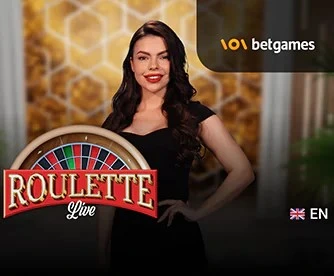
  • Roulette Live by Betgames

    Roulette Live

  • Limitless Blackjack by Vivo

    Limitless Blackjack

  • Sweet Bonanza Candy Land by Pragmatic Play

    Sweet Bonanza Candy Land

  • Gravity Sic Bo by Iconic 21

    Gravity Sic Bo

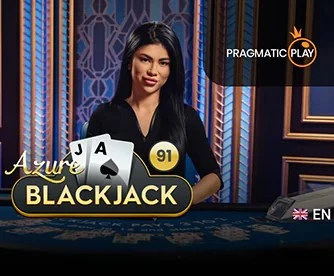
  • Azure Blackjack by Pragmatic Play

    Azure Blackjack

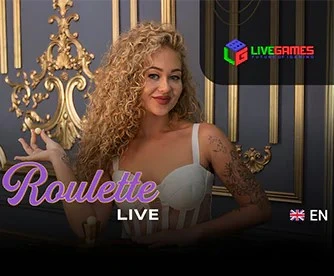
  • Roulette Live by LiveGames

    Roulette Live

  • Baccarat Caribbean by Vivo

    Baccarat Caribbean

  • Playson
  • Playtech
  • Pragmatic Play
  • Novomatic
  • PG Soft
  • Amatic
  • Evolution
  • Belatra
  • NetEnt
  • Play'n'GO
home 1

Nine Online Casino: Pasos Para Un Inicio Seguro

Imagina que abres la plataforma en el móvil mientras haces otra cosa y, sin darte cuenta, ya estás girando con una apuesta que no planeaste. A muchos jugadores les pasa: entran por curiosidad y acaban tomando decisiones por inercia. Para empezar con control en 2026, el orden importa más que la emoción.

¡Jugar Ahora!

Primero define tu presupuesto de ocio para hoy y conviértelo en un tope real, no en una “idea”. Luego fija un límite de tiempo con una alarma y una regla de salida simple: si rompes el plan, se acaba la sesión. Después, recién ahí, eliges un juego y lo pruebas en series cortas. Un bloque de giros, pausa breve, revisión del saldo y una pregunta clara: “¿sigo por diversión o por impulso?”.

También ayuda preparar el entorno: red estable, brillo cómodo y bloqueo de pantalla activo. Si juegas con una mano, reduce el riesgo de toques involuntarios bajando la velocidad y evitando botones rápidos. En Spain, este entretenimiento está pensado para adultos, así que el control no es opcional: es la base para que la experiencia no se vuelva pesada.

home 2

Play Nine Casino: Rutina De Sesión Sin Impulsos

Imagina que vienes de un día largo y buscas “desconectar rápido”. Entras, ganas un poco, te emocionas y subes la apuesta “solo esta vez”. O pierdes dos series y te entra la idea de recuperar. En ambos casos, quien decide ya no eres tú, es el estado de ánimo.

¡Jugar Ahora!

La rutina que funciona en 2026 es aburrida - y por eso es buena. Elige una apuesta base que puedas repetir sin tensión. Divide la sesión en tres tramos: calentamiento (para entender el ritmo), juego principal (apuesta base sin cambios constantes) y cierre (terminar a tiempo). Si quieres ajustar la apuesta, hazlo solo en un tramo corto y con un límite de pérdida definido antes de empezar, nunca justo después de una emoción fuerte.

Otro hábito útil es “una recarga por sesión”. Si el presupuesto se termina, se termina. No se arregla con otra recarga, se arregla con una pausa y con límites mejor ajustados para la próxima vez. La plataforma está disponible en Spain y debería funcionar bajo normas aplicables de protección al usuario, pero el freno real lo pones tú: tiempo, presupuesto y pausas.

Nine Casino Slots: Cómo Elegir Juegos Y Ritmo

Imagina que pruebas cinco tragaperras seguidas “solo para ver” y terminas sin entender ninguna. Te queda la sensación de haber gastado sin disfrutar, y eso suele empujar a seguir jugando para “compensar”. Para evitarlo, elige como si fuera una cata: pocos juegos, series cortas y decisiones conscientes.

¡Jugar Ahora!
home 3

Antes de jugar con saldo real, abre el menú del juego y revisa lo esencial: tabla de premios, símbolos especiales y explicación de funciones. No hace falta memorizar, pero sí entender qué activa rondas extra y cómo se comporta el ritmo. Después juega en bloques: 10-20 giros, pausa, revisión rápida y decisión. Si el juego te acelera, reduce velocidad o cambia a otro más “lento” para tu cabeza.

En 2026, el mayor riesgo no es una “mala suerte” puntual, sino el piloto automático. Por eso conviene mantener una apuesta base estable y evitar el modo turbo si te empuja a tocar más rápido. Y si notas que empiezas a girar solo para sentir algo (no para divertirte), ahí la decisión adulta es pausar.

Nine Casino.: Ajustes De Velocidad Y Autogiro

Imagina que activas el autogiro mientras respondes mensajes y, cuando vuelves a mirar, no recuerdas ni la apuesta ni cuántos giros pasaron. Ese es el escenario típico en móvil: el ritmo se dispara y el control se evapora. El autogiro puede ser útil, pero solo si lo tratas como una herramienta con frenos.

Si existe la opción, configura límites de autogiro: número máximo de giros, parada tras una ganancia relevante y tope de pérdida. Evita el turbo si te acelera el pulso o te empuja a “tocar por tocar”. Un truco simple: después de cada bloque, quita las manos de la pantalla durante diez segundos. Esa micro-pausa rompe la inercia y te obliga a decidir.

Cuando notes tensión, baja la velocidad. No intentes “arreglar” la sesión jugando más rápido. Lo que te devuelve el control no es la rapidez, es la claridad: saber cuánto tiempo llevas, cuánto llevas gastado y por qué sigues.

Nine Casino ES: Depósitos, Retiros Y Verificación

Imagina que haces un depósito con prisa, cierras una confirmación antes de terminar y luego dudas si el saldo debía aparecer ya o si quedó pendiente. Esa incertidumbre suele llevar a repetir acciones y crear un lío innecesario. En pagos, la regla de oro es una acción - una comprobación.

Antes del primer retiro, es normal que se soliciten pasos de verificación. Hazlos en un momento tranquilo: buena luz, documentos legibles y datos coherentes en el perfil. No lo dejes “para cuando lo necesites”, porque justo ahí es cuando más nervios aparecen. Mantén además coherencia en el método de pago: cambiar de método a mitad del proceso suele complicar el seguimiento.

If a status is slow to update, avoid touching everything at once. Check the transaction history, note the date and time, and wait a reasonable amount of time. If you need help, write with data, not with urgency. Order saves you friction and, above all, saves you from impulsive decisions.

Transaction History: What to Look at First

Imagine you see an “in process” status and interpret it as an error. Many times it just means that a confirmation is missing or that the system is reviewing data. In the history, look for three things: current status, system messages, and the exact time of the operation. With that, you already know if you should wait, confirm something, or ask for support.

It is also convenient to review the history at the end of the session. Not to obsess, but to mentally close the cycle: today was this, it ended here. That clarity prevents you from returning by inertia to “complete” what your head thinks was incomplete.

Contact Support: Short and Useful Message

Imagine you write “it doesn't work” and they send you back five questions. You waste time, get frustrated, and start touching settings without thinking. To avoid this, send a message with data: what happened, when, approximate amount, method used, and what status you see in the history. Add what you have already tried (logout, network change, profile review) and that's it.

While waiting for a response, don't make three changes at once. One action at a time and a check afterwards. That discipline allows support to help you without guessing and keeps you out of chaos.


Nine Casino Official Website: Identify Real Access

Imagine you search for the platform from your mobile and similar options appear, with almost identical names and flashy buttons. At that moment, the risk is not only financial, it is also privacy: entering the wrong place can expose your data. In 2026, security begins by verifying that you are entering where you should be.

The adult way to do it is simple: don't be guided by promises or urgency. Look for consistent signals: exact name, visual coherence, texts without strange errors, and a registration flow that doesn't pressure you to deposit before configuring anything. If something feels “too aggressive,” the most prudent thing is to stop and review.

In Spain, it is also important to maintain responsible use: secure access, real data, and active self-control tools. It is not about distrusting everything, but about avoiding haste, because haste is what creates the most errors.

Nine Casino Official: Legitimate Access Signals

Imagine you enter and they ask for sensitive data too soon, without explanations and with “do it now” messages. That pattern is usually a warning sign. Legitimate access behaves more calmly: it lets you review settings, see informative sections, and complete your profile without pressure.

Look for consistency: well-written language, clear account, history, and help sections. If the flow pushes you to deposit before setting limits or without showing basic information, stop. You don't need to “check it by playing.” First, check the environment, then decide if it suits you.

And an essential habit: avoid using public networks when managing payments or data. If you cannot secure the network, do not make sensitive movements. Security is not paranoia, it is maintenance.

Mobile Privacy: Locks and Closed Session

Imagine you lend your mobile for a second or leave it on the table with the session open. An accidental touch can change bets or open sensitive sections. Activate screen lock, limit notifications on the locked screen, and close the session when you finish. These are three gestures that make a difference.

If you use password autofill, check where they are saved and avoid doing so on shared devices. In 2026, many incidents arise from small habits. You don't need to become technical; you need to become consistent.

Also, if you notice unusual access or alerts, change your password and review activity. The important thing is to act quickly and orderly, without panicking.

Control Tools: Limits and Breaks

Imagine you start “for fun” and, suddenly, it's hard to stop. There, control tools are not theory: they are a real brake. Use time limits, spending limits, and break reminders. If the system allows blocking access periods, use it when you notice tension or a need to recover.

A short break changes a lot. Get up, drink water, go to another room, and decide again. If you feel urgency when you return, don't go back to the game. Urgency is not a good advisor. In 2026, responsible behavior is to normalize rest.

Bank Management in Spain: Simple Method

Imagine you enter without a defined budget and each spin is decided “on the fly.” That makes spending feel blurry and the session lengthens. The bank is your map: without a map, you get lost. In Spain, the responsible approach starts from an idea: this is adult leisure, not an income strategy.

Define a budget per session and divide that budget into blocks. One block to explore games, one block to play with a base bet, and one block that is not touched, which acts as a brake. If you spend the main block, you close. You don't negotiate. That rule protects your money and your mood.

It is also key to separate emotion from decision. If you feel anger, euphoria, or urgency, the best move is not to change anything: do not raise the bet, do not reload, do not extend time. Pause, review the plan and, if you have already broken it, finish. The session is not “fixed” with more spins.

Budget Per Session: Exit Rule

Imagine you are about to close and you say to yourself “a little more to see if it changes.” That phrase usually breaks the limit. The exit rule must be concrete: either by time or by spending. If it is met, it closes, even if you are still curious.

A practical tip: define the limit before opening the game and write it in a note on your mobile. Not to dramatize, but to avoid self-deception. When emotion rises, the note brings you back to the plan.

And if one day you cannot respect the limit, that day is a sign of a longer break. It is not moralism; it is self-care.

Time Limit: Alarm and Blocks

Imagine you look at the clock and are surprised how much time has passed. The rhythm of the spins is deceiving. Use an alarm and work in blocks: spin block, pause, decision. When the alarm sounds, finish. If you want to come back, come back another day with a new plan.

Avoid playing “between things.” If you play while working or talking, you lose control of time and accidental clicks increase. Choose a clear beginning and a clear end. That framework keeps the session light.

In 2026, the time limit is the most effective brake because it does not depend on your mood. It depends on a rule.

Breaks, Timeout and Self-Exclusion

Imagine it's hard for you to stop, even if you're no longer having fun. You repeat “one more spin” and the afternoon goes by. In that case, a scheduled break or a temporary block (if it exists) cuts your inertia. It's not punishment. It's a tool to regain perspective.

During the break, truly change your activity: walk, talk to someone, sleep. If you feel urgency or a need to recover when you return, extend the break. That honesty protects you more than any attempt at brute force.

If the pattern repeats frequently, a firmer measure may be useful. The important thing is to choose it in time, not when you are already exhausted.

Risk Signals: When to Really Stop

Imagine you think about the game outside the session, reviewing “what almost happened” or feeling the need to return. That rumination is a signal. Other signals: raising the bet after an emotional peak, playing to calm anxiety, losing sleep, or repeatedly breaking limits.

When a signal appears, do not negotiate. Pause and log out. If you need to, block access for a while. Stopping in time is an adult decision, not a defeat.

In Spain, responsible use implies recognizing these signals without excuses. Your well-being is worth more than “finishing the session.”

Payments and Verification in 2026: Clear Checklist

Imagine you make a quick deposit and then, when you want to withdraw, you are missing a profile step or a confirmation. Most problems are not rare: they are small accumulated details. In 2026, the most useful thing is to follow a simple checklist and not improvise.

Before moving money, check that your profile is complete, that your data is consistent, and that you understand the status of each operation in the history. If something appears pending, wait and confirm only what is necessary. Avoid repeating transactions due to anxiety. And maintain a single direction of action: one operation, one check, and then a decision.

Topic

What to Review

What Usually Fails

Quick Action

Deposit

Complete payment confirmation

Early verification closure

Repeat only after reviewing history

Withdrawal

Consistent personal data

Illegible document

Send clear and complete images

Limits

Daily or weekly cap

Impulsive budget changes

Ajustar límites antes de jugar

Historial

Estado y mensajes del sistema

Interpretación por prisa

Anotar hora e importe y esperar

Soporte

Detalles del caso

Falta de información

Enviar fecha, método y estado visible

Métodos De Pago: Coherencia Y Calma

Imagina que cambias de método “para que sea más rápido” y terminas sin saber qué operación quedó activa. La coherencia evita ese lío. Elige un método principal y úsalo con consistencia, especialmente si planeas retirar pronto.

Confirma cada paso hasta el final. Si aparece un mensaje de verificación, complétalo en el momento y vuelve al historial para comprobar el estado. No conviertas la caja en un lugar de multitarea. La multitarea aquí cuesta.

Cuando algo se retrase, respira y revisa. La prisa suele crear duplicados, y los duplicados crean confusión.

Verificación: Hacerlo Bien Una Vez

Imagina que envías una foto oscura, cortada o borrosa, y luego te piden repetir. Pierdes tiempo y te frustras. Hazlo bien a la primera: buena luz, encuadre completo, texto legible. Revisa antes de enviar.

No esperes al último momento. Completar estos pasos al inicio te deja jugar con más calma después. Y si surge un requerimiento adicional, responde con orden, no con ansiedad.

La verificación no es una promesa de nada. Es un proceso de seguridad. Trátalo como tal: frío, metódico y sin drama.

Retiros: Una Acción, Una Comprobación

Imagina que solicitas un retiro y, como tarda, empiezas a tocar todo: cambias método, cancelas, vuelves a solicitar. Eso suele empeorar el seguimiento. La regla útil es simple: haces una solicitud, revisas estado, esperas, y solo cambias algo si el sistema lo pide.

Anota la hora y el importe. Eso te ayuda si necesitas soporte. Y mientras tanto, evita abrir varias solicitudes por impulso. La claridad te protege.

Si tu emoción sube, aléjate del móvil un momento. La caja no es lugar para decisiones en caliente.

Soporte: Cómo Escribir Para Resolver

Imagina que envías un mensaje largo, sin datos, lleno de frustración. La respuesta será lenta y con preguntas. En cambio, un mensaje corto con datos suele avanzar más: fecha, método, importe y estado visible.

Incluye lo que ya hiciste: cerrar sesión, revisar perfil, cambiar red. Eso ahorra vueltas. Y no hagas cambios mientras esperas respuesta. Si cambias todo, luego no sabes qué causó qué.

La comunicación clara es parte de jugar con control en 2026. Te mantiene en un terreno racional.

Conclusión Para Spain: Jugar Como Adulto

Imagina que terminas la sesión y no recuerdas cuánto tiempo estuviste ni por qué subiste la apuesta. Es normal: el ritmo y los estímulos borran detalles. Por eso conviene cerrar siempre igual: revisar historial, confirmar que todo está en orden y salir de la cuenta. Sin “un minuto más”.

La plataforma está disponible en Spain y debería operar bajo normas aplicables, pero el control real nace de tus decisiones: presupuesto, tiempo, pausas y límites. En 2026, la mejor “ventaja” no es un truco, es una rutina estable que te impide jugar por impulso.

Si hoy no fue tu día, no lo arreglas jugando más. Lo arreglas descansando y volviendo otro día con límites mejores. Ese gesto sencillo es lo que mantiene el entretenimiento en su sitio.

Plan De Sesión En Tres Pasos

Imagina que vas a jugar mañana y quieres hacerlo mejor sin complicarte. Paso uno: define presupuesto y tope de tiempo. Paso dos: elige una apuesta base sostenible. Paso tres: juega en bloques con pausas y cierra al cumplir la regla de salida. Si rompes una regla, terminas la sesión. Fácil de recordar, fácil de cumplir.

FAQ

Elige una cantidad destinada a ocio que no toque gastos esenciales y úsala como tope real, no como sugerencia. Imagina que mañana miras tu cuenta y te pesa: ese “peso” es la señal de que hoy debías gastar menos. Divide el presupuesto en sesiones más pequeñas y evita recargas impulsivas aunque sientas curiosidad. Si dudas, baja la cifra y acorta el tiempo: la calma vale más que una sesión larga.

Para y apártate de la pantalla unos minutos. Imagina que sigues jugando con rabia: la decisión deja de ser tuya y pasa a ser de la emoción. Vuelve solo si puedes retomar una apuesta base y un límite claro; si no, cierra la sesión y descansa. La urgencia suele bajar cuando cambias de actividad, y esa distancia es justo lo que te protege.


Usa un temporizador y un sistema de bloques. Imagina que el ritmo te acelera y pierdes la noción: una alarma te devuelve a la realidad sin discusión. Juega en series cortas, haz una pausa, revisa el tiempo y decide. Cuando suene el aviso, termina, incluso si te queda curiosidad. La curiosidad puede esperar a otro día.

Cuando te cuesta parar, cuando juegas para calmar tensión o cuando notas que estás en piloto automático. Imagina que abres el juego sin ganas reales y aun así sigues: esa es la señal. Una pausa corta el impulso y te ayuda a volver a decidir con cabeza. Si al volver sigues con prisa o necesidad de recuperar, alarga el descanso y cambia de actividad.

Revisa que tu perfil esté completo y que, si se solicita verificación, los documentos sean legibles y coherentes con tus datos. Imagina que envías una foto oscura o recortada y te piden repetir: se alarga y te frustra. Hazlo con calma, anota fecha e importe, y consulta el historial para ver el estado antes de cambiar nada. El orden reduce sorpresas.

Envía un mensaje con hechos: qué ocurrió, cuándo, importe, método usado y estado visible en el historial. Imagina que solo dices “no funciona”: te responderán con preguntas y el proceso se alarga. Añade lo que ya probaste (cerrar sesión, cambiar red, revisar datos) y evita tocar varias opciones a la vez mientras esperas. La claridad acelera más que la urgencia.

Si te quita sueño, te genera ansiedad, te empuja a romper límites o te hace perseguir pérdidas, es momento de parar. Imagina que juegas más por necesidad que por diversión: ahí ya no es ocio. En ese caso, refuerza límites, activa una pausa y busca apoyo si lo necesitas. Parar a tiempo es una decisión adulta, no una derrota.

Play Now